Why Seasonal Maintenance Saves Time, Money and Stress

When it comes to managing residential developments, some of the biggest challenges can be avoided with the right planning. Seasonal maintenance is one of the simplest yet most effective ways to protect buildings, reduce unexpected costs and provide a better experience for residents.
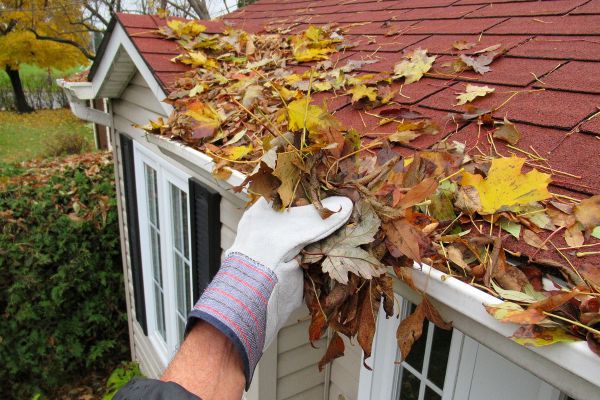
As autumn approaches, buildings begin to face changing weather conditions. Increased rainfall, falling leaves, cooler temperatures and shorter days all place additional demands on communal areas and building systems. Without preparation, these seasonal changes can quickly turn small maintenance issues into costly repairs.
By planning ahead rather than reacting to problems as they arise, property managers, Resident Management Companies (RMCs) and freeholders can reduce risk, protect valuable assets and help developments run smoothly throughout the year.
Why preventative maintenance matters
Preventative maintenance is about identifying and addressing potential issues before they become significant problems.
Rather than waiting for a blocked gutter to cause water damage or a failed light fitting to create a safety concern, proactive maintenance ensures buildings receive the attention they need at the right time.
This approach not only reduces the likelihood of emergency repairs but also helps maintain the condition of the property over the long term.
Autumn provides the perfect opportunity to put this into practice. Preparing before winter arrives allows maintenance teams to complete essential works while weather conditions remain favourable and contractor availability is often greater.
Autumn is the ideal time to prepare
Every season presents different maintenance priorities, and autumn is no exception.
One of the most important tasks is ensuring rainwater can drain away effectively. Gutters and downpipes should be cleared of leaves and debris before heavy rainfall begins. A simple blockage can quickly lead to overflowing water, damp and damage to external walls if left unresolved.
Roof inspections are equally important. Missing tiles, damaged flashing or small areas of wear may seem minor during dry weather but can become much more serious once heavy rain and strong winds arrive.
External lighting should also be checked as daylight hours reduce. Well-lit entrances, pathways and communal areas help improve visibility and enhance resident safety during darker mornings and evenings.
Other seasonal priorities include inspecting pathways for trip hazards, checking drainage systems and ensuring trees or overgrown vegetation do not pose a risk during autumn storms.
Small actions prevent bigger costs
Many emergency repairs begin as relatively minor maintenance issues.
A blocked drain may eventually lead to flooding. A small roof defect can develop into water ingress. Damaged paving can become a safety risk that requires urgent attention.
Addressing these issues early is usually quicker, less disruptive and significantly more cost-effective than responding once damage has occurred.
Planned maintenance also helps organisations manage budgets more effectively. Scheduled works are generally easier to forecast than emergency repairs, allowing Resident Management Companies and freeholders to make informed financial decisions while avoiding unexpected expenditure.
Investing in preventative maintenance today often reduces repair costs tomorrow.
A better experience for residents
Seasonal planning benefits more than just the building itself.
Residents value developments that feel safe, clean and well maintained. Functioning lighting, tidy communal spaces, clear pathways and prompt maintenance all contribute to a positive living environment.
Equally important is communication. Informing residents about planned seasonal works helps explain why maintenance is taking place and what they can expect. Clear communication reduces uncertainty, manages expectations and demonstrates that the development is being managed proactively.
When residents can see that maintenance is planned rather than reactive, it helps build confidence in the overall management of the property.
Protecting buildings for the future
Residential developments represent long-term investments, and protecting those assets requires consistent care throughout the year.
Seasonal maintenance plays an important role in extending the lifespan of building components, reducing wear and helping essential systems continue to perform efficiently.
Routine inspections and planned maintenance also support compliance by identifying potential health and safety concerns before they become more serious issues.
Rather than viewing seasonal maintenance as another task on the calendar, it should be seen as part of a wider strategy to preserve the condition, value and safety of the development.
Planning today for a smoother tomorrow
The most successful property management strategies are built on preparation.
By anticipating seasonal challenges and addressing maintenance needs early, property managers can reduce disruption, avoid unnecessary costs and create safer environments for residents.
Autumn is the ideal reminder that effective property management isn't about reacting to problems—it's about preventing them.
Whether it's clearing gutters, inspecting roofs, maintaining lighting or communicating planned works, these relatively small actions can have a lasting impact on both the building and the people who live there.
Planning ahead not only saves time and money, but also reduces stress for everyone involved. And that's what proactive property management is all about.