The Small Decisions That Prevent Bigger Problems

Successful property management is often judged by the issues residents never experience.
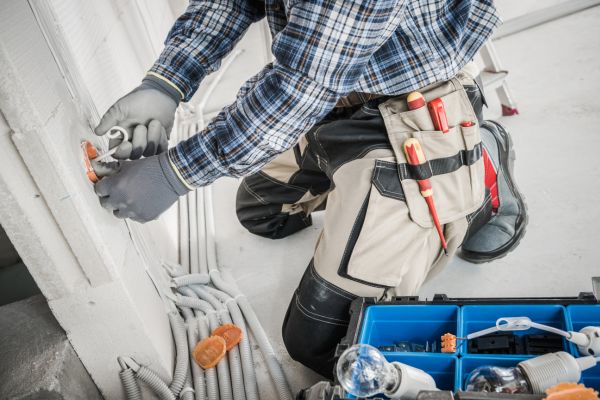
While major repairs naturally attract attention, the most effective residential developments are those where small problems are identified and resolved before they become costly concerns.
From routine inspections and planned maintenance to clear communication with residents and contractors, the everyday decisions made by property managers play a vital role in protecting buildings, controlling costs and creating a better living environment. These small actions may seem routine, but together they form the foundation of successful property management.
Property management is about prevention
Preventing issues is almost always more effective than responding once they occur.
A loose roof tile, blocked gutter or faulty communal light may seem insignificant, but if left unresolved they can lead to water damage, safety hazards or expensive emergency repairs.
A proactive approach allows property managers to identify warning signs early, prioritise maintenance and reduce disruption for residents. Rather than waiting for problems to be reported, regular monitoring helps buildings continue to operate safely and efficiently throughout the year.
Routine inspections make all the difference
Routine inspections are one of the most valuable tools in effective property management.
Regular site visits provide an opportunity to assess communal areas, identify maintenance requirements and ensure developments remain safe, clean and well maintained.
During inspections, property managers may identify:
- Damaged pathways or trip hazards
- Faulty external or emergency lighting
- Signs of water ingress
- Blocked gutters or drains
- Wear and tear in communal areas
- Landscaping that requires attention
Many of these issues can be resolved quickly when identified early, helping to avoid larger repairs and unnecessary expense. Regular inspections also demonstrate that a development is being actively managed rather than simply reacting to problems.
Planned maintenance reduces long-term costs
Planned maintenance is another key element of proactive property management.
Instead of waiting for building systems to fail, maintenance schedules ensure essential assets receive attention before problems arise. This may include servicing communal heating systems, maintaining lifts, inspecting fire safety equipment or carrying out seasonal tasks such as clearing gutters before autumn.
Planning maintenance in advance also allows Property Management Companies and freeholders to manage budgets more effectively. Scheduled works are generally more predictable and cost-efficient than emergency repairs, helping to reduce unexpected service charge expenditure.
Over time, preventative maintenance also protects the long-term condition and value of the property by extending the lifespan of key building components.
Communication is just as important
Successful property management is about more than maintaining buildings. Clear communication plays an equally important role.
Residents are far more likely to understand planned works when they receive timely updates explaining what is happening, why it is necessary and how long any disruption is expected to last. Open communication helps build trust while reducing unnecessary enquiries.
Strong communication with contractors is equally valuable. Clear instructions agreed timescales and regular progress updates help projects run efficiently and ensure maintenance work is completed to the required standard.
Small actions create a better resident experience
The quality of a residential development is often reflected in the details.
Well-maintained communal gardens, clean entrance areas, working lighting and prompt responses to maintenance requests all contribute to a positive experience for residents.
Although each improvement may seem minor, together they demonstrate that a development is being managed with care and attention. A consistently well-maintained environment can also encourage residents to take pride in where they live, helping preserve standards across the development.
Supporting compliance and protecting assets
Many routine property management activities also help meet important legal and regulatory responsibilities.
Regular inspections can identify health and safety concerns before they become significant risks, while planned servicing ensures essential building systems continue to operate safely.
Maintaining accurate records of inspections, maintenance schedules and completed works provides evidence that responsibilities are being fulfilled and supports effective long-term management.
Small decisions, lasting results
The best property management strategies are built on consistency rather than reacting to major issues.
Routine inspections, planned maintenance and effective communication all help prevent small concerns from becoming larger, more expensive problems. These everyday decisions protect valuable assets, improve resident satisfaction and support the long-term success of residential developments.
While these actions may not always be visible, their impact is significant. By focusing on prevention and attention to detail, property managers can reduce risk, control costs and create safer, better-maintained communities for everyone.