The Future of Property Management: Five Trends to Watch

Property management is constantly evolving. While maintaining buildings and responding to day-to-day issues remain essential, today's residential developments face new challenges that require a more strategic approach.
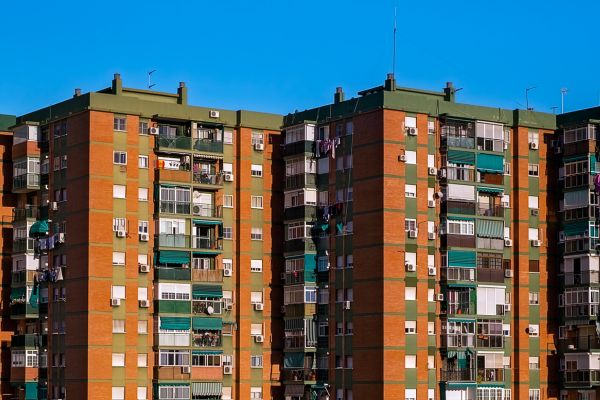
Sustainability, digital technology, changing legislation and rising resident expectations are all influencing how developments are managed. At the same time, there is growing recognition that effective property management is about more than maintaining buildings—it is about protecting long-term investments, supporting thriving communities and planning for the future.
For Resident Management Companies (RMCs), freeholders and developers, understanding these changes can help ensure developments remain safe, efficient and resilient for years to come.
Here are five trends shaping the future of property management.
- Sustainability is becoming a priority
Environmental performance is becoming an increasingly important consideration across the property sector.
Residents, developers and building owners are placing greater emphasis on reducing energy consumption, improving efficiency and making more sustainable maintenance decisions.
For property managers, this means looking beyond immediate repairs and considering the long-term environmental impact of maintenance programmes.
Simple measures such as upgrading communal lighting to LED systems, improving insulation, reducing water waste and selecting sustainable materials during planned works can contribute to lower operating costs while supporting wider environmental objectives.
As expectations continue to evolve, sustainability is likely to become an integral part of long-term property management strategies rather than a separate initiative.
- Technology is transforming property management
Digital technology is changing the way residential developments are managed.
Inspection software, digital reporting tools, online resident portals and cloud-based document management are helping property managers respond more efficiently while improving transparency and communication.
Technology also enables more informed decision-making. Digital records make it easier to monitor maintenance history, identify recurring issues and plan future investment in building assets.
While technology will never replace professional expertise, it provides valuable tools that support faster communication, improved record keeping and more proactive property management.
- Resident expectations continue to evolve
Residents increasingly expect clear communication, transparency and prompt responses.
They want to know when maintenance works are taking place, how service charges are being invested and what improvements are planned for their development.
Property management is therefore becoming as much about communication and engagement as it is about maintaining buildings.
Keeping residents informed, providing regular updates and responding openly to enquiries all contribute to greater trust and a more positive living experience.
Developments that prioritise communication are often better positioned to build stronger resident relationships and reduce avoidable concerns.
- Building safety remains a long-term priority
Building safety continues to shape the future of residential property management.
Regular inspections, planned maintenance, accurate record keeping and ongoing compliance all play an essential role in protecting residents and maintaining safe environments.
As regulations continue to evolve, managing agents must remain informed and ensure maintenance programmes reflect current legal requirements and recognised best practice.
Rather than viewing compliance as a one-off exercise, forward-thinking property management treats building safety as an ongoing responsibility that is embedded into everyday operations.
This proactive approach helps reduce risk while providing reassurance for residents, freeholders and Resident Management Companies alike.
- Long-term planning is becoming more important
Perhaps the biggest shift within property management is the move from reactive maintenance towards long-term asset planning.
Instead of focusing solely on today's repairs, many developments are placing greater emphasis on planning future maintenance, forecasting investment requirements and extending the lifespan of building components.
Routine inspections, preventative maintenance and long-term maintenance plans help ensure work is carried out at the right time, reducing emergency repairs and providing greater certainty when managing budgets.
This strategic approach not only protects buildings but also helps preserve property values and improve the overall resident experience.
Looking beyond today's maintenance
The future of property management is about more than responding to issues as they arise.
Successful developments will be those that embrace innovation, invest in preventative maintenance, adapt to changing regulations and continue to put residents at the centre of decision-making.
While trends such as sustainability and technology will continue to shape the industry, the fundamental principles of good property management remain unchanged: careful planning, proactive maintenance and responsible stewardship of valuable assets.
By thinking beyond today's maintenance requirements, Resident Management Companies, freeholders and developers can make informed decisions that support the long-term success of their developments.
Preparing for the future
The property management industry will continue to evolve, bringing new opportunities alongside new responsibilities.
Developments that plan ahead, embrace innovation and adopt a proactive approach will be better equipped to respond to changing expectations while protecting both their buildings and their long-term investments.
Ultimately, the future of property management isn't simply about keeping pace with change—it's about preparing for it. Through strategic planning, sustainable thinking and a commitment to continuous improvement, residential developments can remain resilient, efficient and attractive places to live for many years to come.