Why the Best Property Managers Are Already Planning for Winter

When the weather is warm, winter can feel like a long way off. However, experienced property managers know that summer is the ideal time to prepare buildings and developments for the colder months ahead.
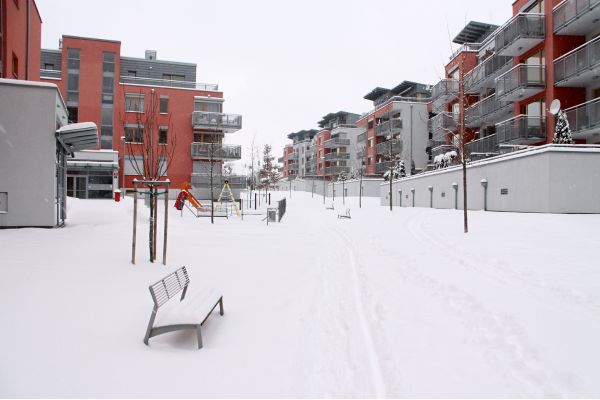
Waiting until temperatures drop often means reacting to problems rather than preventing them. By taking a proactive approach during the summer, Property Management companies, freeholders and developers can reduce the risk of expensive repairs, minimise disruption for residents and help keep buildings operating safely throughout the winter.
Why summer is the best time for preventative maintenance
Many essential maintenance tasks are easier, safer and more cost-effective to complete during the summer months. Longer daylight hours, better weather conditions and increased contractor availability all make it the perfect time to inspect and repair key areas of a building.
Planning ahead also gives property managers the opportunity to identify minor issues before they develop into larger, more expensive problems during periods of cold weather.
Preventative maintenance is not simply about reducing costs. It also helps improve resident satisfaction by preventing avoidable disruptions and ensuring communal areas remain safe and well maintained throughout the year.
Key areas to prepare before winter arrives
A structured maintenance programme should focus on the parts of a building most affected by harsh weather.
Roof inspections
Heavy rain, frost and strong winds can quickly expose weaknesses in roofing systems. Summer provides the ideal opportunity to inspect tiles, flashing, gutters and drainage systems for signs of damage or wear.
Addressing small defects early can help prevent leaks, water ingress and costly structural repairs later in the year.
Gutters and drainage
Blocked gutters are one of the most common causes of water damage during autumn and winter. Clearing leaves, moss and debris before the wetter months helps ensure rainwater drains away effectively.
Checking external drainage systems also reduces the risk of flooding around entrances, pathways and car parks.
Trees and landscaping
Overgrown trees and vegetation can become hazardous during winter storms. Summer maintenance allows time to prune branches, remove dead growth and assess any trees that may pose a risk to buildings or residents.
Well-maintained landscaping also helps keep drainage channels clear and improves the overall appearance of the development.
External lighting
With shorter days approaching, reliable external lighting becomes increasingly important for resident safety.
Testing lighting in communal areas, pathways and car parks during the summer ensures any faults can be repaired before darker evenings arrive.
Building fabric and external repairs
Cracks in masonry, damaged pointing or deteriorating sealants may appear minor during dry weather but can worsen significantly once freezing temperatures arrive.
Carrying out repairs early helps protect the building from water penetration and frost damage.
The value of forward planning
One of the biggest advantages of planning maintenance early is having greater control over budgets and contractor availability.
Emergency repairs often come with higher costs, particularly during peak winter periods when contractors are in greater demand. By scheduling planned works during the summer, property managers can secure suitable contractors, spread costs more effectively and reduce the likelihood of unexpected expenditure later in the year.
Forward planning also allows sufficient time to communicate upcoming works with residents, helping minimise disruption and manage expectations.
Supporting safer, better-managed developments
Effective property management is built on preparation rather than reaction. Seasonal maintenance programmes help protect buildings, preserve long-term asset value and provide reassurance that developments are being managed responsibly.
For Resident Management Companies, freeholders and developers, taking action during the summer is one of the simplest ways to reduce winter risks while creating a safer and more reliable living environment for residents.
Preparing for winter may not seem like a priority on a sunny day, but the best property managers know that proactive planning today can prevent costly problems tomorrow.